Tips for Creating a Relaxing and Productive Home Office Space
Creating a home office that is both relaxing and productive can significantly improve your work-from-home experience. Whether you’re freelancing, running a business, or simply tackling remote tasks, the right environment helps you stay focused and reduces stress. Here’s a comprehensive guide to shaping a workspace that supports your productivity and well-being.
Choose the Right Location
Quiet and Private Spot
Pick a location in your home that minimises distractions. A separate room, if possible, creates a clear boundary between work and home life. If space is limited, try to find a corner away from the busiest areas.
Natural Light is Key
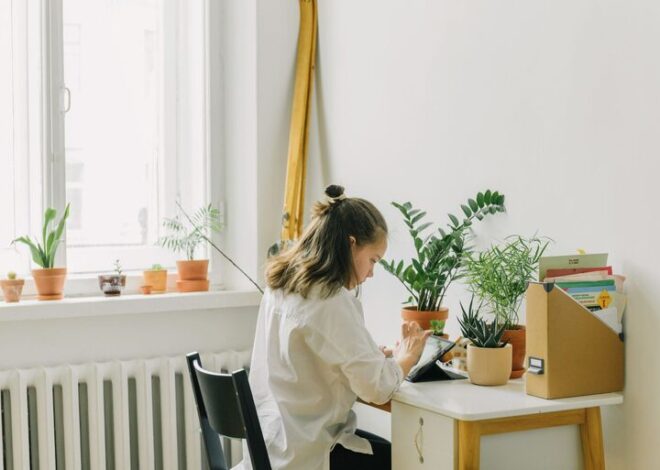
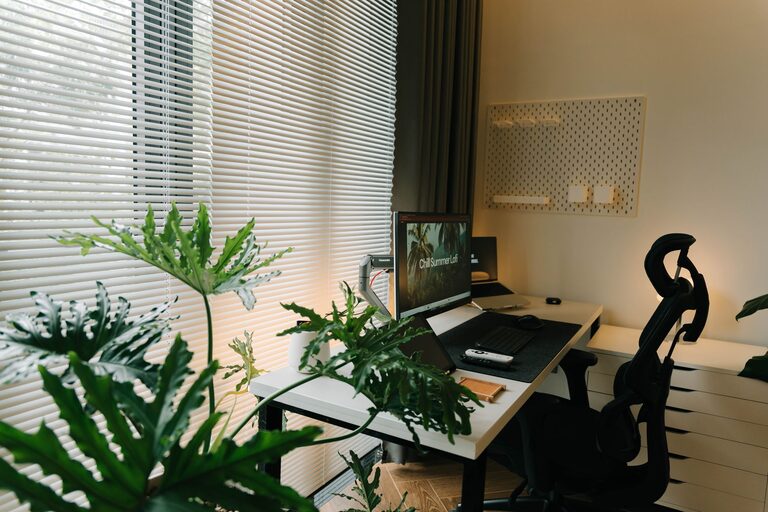
Position your desk near a window to take advantage of natural light. This helps reduce eye strain and boosts your mood. Avoid glare on your computer screen by using sheer curtains or blinds.
Invest in Comfortable Furniture
Ergonomic Chair
An ergonomic chair supports your back and promotes good posture. Look for adjustable height and lumbar support to stay comfortable during long working hours.
Functional Desk
Choose a desk with enough surface area for your computer, paperwork, and other essentials. Standing desks or adjustable desks are also good options to vary your posture throughout the day.
Organise Your Workspace
Declutter Regularly
A tidy workspace reduces stress and increases efficiency. Keep only the items you use daily on your desk. Store other supplies in drawers or organisers.
Use Storage Solutions
Invest in shelves, filing cabinets, or baskets to keep documents and tools organised. Label storage to save time searching for materials.
Personalise Your Space
Calming Colours
Soft, neutral tones like blues, greens, or greys can create a relaxing atmosphere. Choose colours that make you feel calm and focused.
Add Greenery
Indoor plants improve air quality and add a touch of nature. Choose low-maintenance plants such as succulents or spider plants that thrive indoors.
Personal Touches
Incorporate photos, artwork, or meaningful objects that inspire you. Just ensure your personal items don’t overwhelm your workspace.
Manage Lighting Effectively
Layered Lighting
Combine different lighting types: overhead lights for general illumination, desk lamps for focused work, and ambient lights to create a relaxing mood.
Avoid Harsh Lighting
Use bulbs with warm tones rather than bright white light to avoid eye strain and fatigue.
Limit Distractions
Technology Management
Turn off unnecessary notifications and use apps to block distracting websites during work hours.
Set Boundaries
Communicate your work schedule to family or housemates to minimise interruptions.
Incorporate Movement and Breaks
Stretching and Exercise
Set reminders to stand, stretch, or take short walks. This breaks up long periods of sitting and refreshes your mind.
Break Zones
If space allows, designate a separate area for breaks—a comfortable chair or a small corner with books or music.
Maintain Good Air Quality and Temperature
Ventilation
Open windows regularly to let fresh air circulate. Good ventilation helps you stay alert.
Temperature Control
Ensure your office is neither too hot nor too cold. Use fans, heaters, or air conditioning as needed to maintain comfort.
Utilise Technology Wisely
Quality Equipment
Invest in reliable technology such as a fast internet connection, a comfortable keyboard, and a good monitor to streamline your work.
Cable Management
Keep cables organised with clips or covers to prevent clutter and hazards.
Set a Routine
Structured Work Hours
Establish regular work hours to create consistency and balance.
Start and Finish Rituals
Begin your day with a routine that signals the start of work and a closing ritual that lets you switch off.
—
By following these tips, you can transform any part of your home into a workspace where you feel calm, organised, and motivated. Remember, your home office should support not only your productivity but also your wellbeing, helping you maintain a healthy and enjoyable work-from-home lifestyle.